“Let the oil flow!” Trump posts as US, Iran agree a deal for peace in Middle East
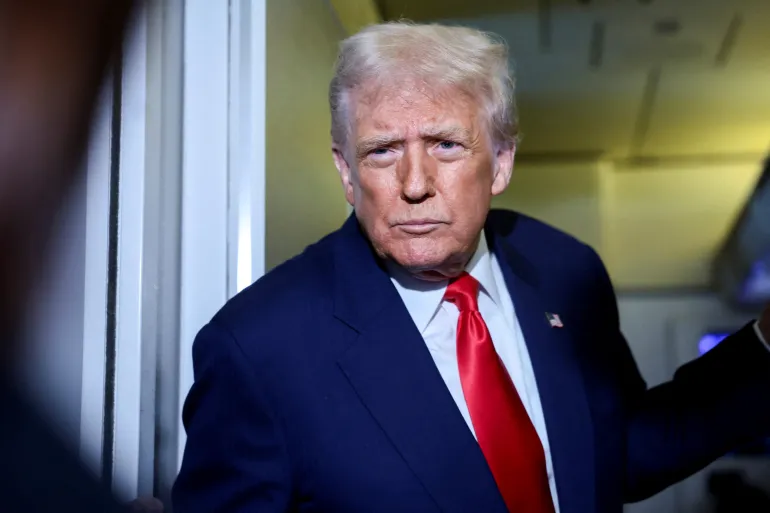
Donald Trump
More than three months after the US and Israel first began their war with Iran, the White House and the Iranian regime have agreed a framework deal to bring about a more long-term end to hostilities.
The Middle East crisis sent global oil prices soaring as the conflict effectively closed one of the world’s key water transport routes for oil, liquid natural gas and other essential commodities, limiting global supplies.
But experts warn a return to normal shipping through the Strait of Hormuz will take time, and the impact of the war will continue to affect the global economy for potentially months to come.
“Let the oil flow!” US President Donald Trump said in a social media post heralding the agreement, which he said would include the reopening of the strait to commercial shipping.
BBC Verify has been checking ship-tracking data which appears to show that traffic levels remain low in the Strait of Hormuz, despite the announcement.
According to ship tracking website MarineTraffic, only two vessels with active location trackers have exited the waterway since Sunday – a bulk carrier and a tanker.
The strait has been closed to most shipping traffic since 28 February, with only limited numbers of vessels friendly to Iran able to pass through.
About 200 vessels have been stuck in the gulf, with the risk of sea mines or drone strikes driving up the danger to crews and preventing safe passage.
Neil Shearing, group chief economist for Capital Economics, said it remained to be seen whether the latest deal “represents a fragile truce or a durable settlement”.
He added that it was likely it will “take some time for oil flows through the Strait to return to pre-war levels”.
“Even if ships now have safe passage, tankers are in the wrong place, oil production/refining facilities need to get up to full capacity, and questions over the cost and availability of insurance for ships traversing the Strait will remain,” he said.
Even before the agreement, during the ongoing ceasefire, shipping companies were largely reluctant to try to move their vessels out of the strait – and getting those vessels out will be their first focus.
Normally, about a fifth of the world’s oil and LNG supplies flow through the strait, and the effective halt to traffic has increased oil prices. That in turn has had a knock-on effect on petrol, diesel and jet fuel costs.
During the conflict, the price of Brent crude, the global oil benchmark, peaked at around $120 a barrel, whereas before hostilities broke out it was just below $70.
President Trump said that the Strait of Hormuz would open once the “deal” is signed on Friday. Senior energy strategist at Rabobank Florence Schmit said there was a “strong possibility that we’ll see a lot of volatility” in the lead up to the deal being signed.
“Some things are not confirmed on both sides – important things: we don’t know if the deal will be signed,” she told the BBC.
“What we’ve seen so far is a deal for 60 days for the opening of the Strait – but what happens after that? What if the Iranians want to re-insert a toll system?
“A full-scale peace agreement could still be a long way off.”
Despite that, Schmit said normality in the system, including prices, “could return by the end of the year” if a full ceasefire is agreed upon. Normality would include the return of pre-war levels of 26 daily crude oil tankers going through the strait.
With the current positive news headlines and “sentiment-driven” sell-off, she said there is a chance the price could drop below $80 a barrel, but then it could average by end of year in the mid $80’s again as “the geopolitics is stripped out” and the market assesses the reality of the situation.
(BBC & Reuters)