Vanishing Oysters: Journalists, scientists raise alarm over threatened aquatic species in Northern Nigeria
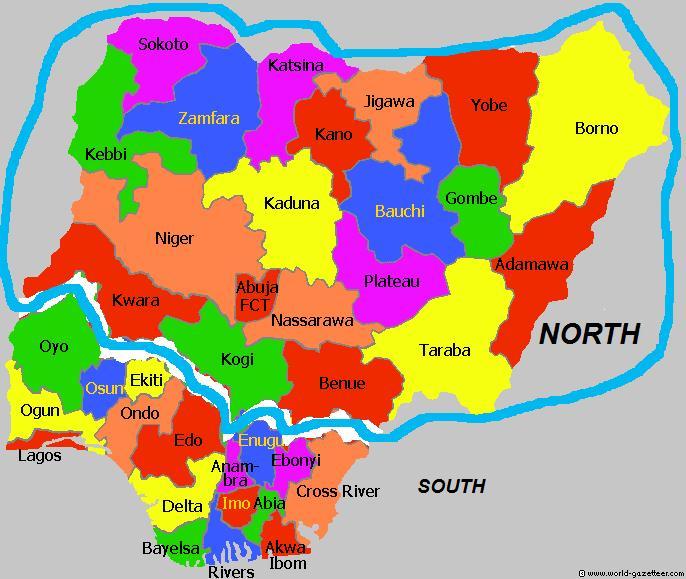
States in Nigeria
Gabriel Udeh, Kaduna
The gradual disappearance of oysters and other aquatic species in Northern Nigeria is fast becoming an environmental crisis, with journalists and scientists warning that climate change, pollution and unsustainable human activities are pushing vulnerable species toward extinction.
For years, Ibrahima Yakubu, a science and environment journalist and Head of Communication and Strategies at African Climate Reporters, has used journalism to highlight the threats facing oysters.
His reporting covers climate change, water pollution, habitat destruction and biodiversity loss, with a focus on making scientific issues accessible to the public through local-language media.
Yakubu stated that the decline of oysters is not just about one species. Rising temperatures, habitat destruction, water pollution and pressure on aquatic resources are weakening oyster populations and their ability to reproduce.
“The increasing cost of animal protein may also place additional pressure on alternative sources of food, including aquatic species,” he noted.
He argued that the loss of one species disrupts the balance of aquatic ecosystems and ultimately affects communities whose livelihoods and food security depend on healthy natural resources.
“When a species begins to disappear, society must not wait until it is gone before taking action. Journalism can sound the alarm, science can provide the evidence, communities can protect their natural resources, and collective action can save threatened species from extinction”.
Yakubu and environmental experts outlined 7 urgent steps to prevent further decline.
According the experts, these includes more research, adding that Government agencies, universities and conservation groups should conduct regular surveys to determine oyster population status, breeding grounds and causes of decline.
Others are Habitat Protection, saying “Wetlands, rivers, lakes and streams should be identified and protected.
According to him, areas with significant oyster populations could be designated as conservation zones,” he stated.
Reduce Water Pollution, amongst others were stronger enforcement of environmental laws and better waste management are needed to limit industrial waste, sewage, plastics and agricultural chemicals in waterways.
“Communities that depend on oysters should adopt responsible harvesting, including seasonal restrictions, to allow populations to recover’, he stated.
On climate adaptation, he stated that “Conservation plans must account for rising temperatures, droughts and flooding and support restoration of degraded aquatic habitats.
“Community Involvement like local communities should be placed at the center of conservation, as they hold valuable traditional knowledge about changes in species and the environment.
On Media and partnerships, he noted that Journalists should report consistently on threatened species to keep the issue on the public agenda. Governments, scientists, NGOs, traditional institutions and international organizations must work together with funding and technical support.
Yakubu said many environmental stories only get attention after a species is critically endangered. His advocacy seeks to raise the alarm early.
“*We can save this species and other aquatic species from extinction if we join hands together toward protecting all aquatic animals,*” he said.
He added that protecting oysters represents a broader commitment to biodiversity, climate action and ensuring future generations inherit healthy aquatic ecosystems.
“Through journalism, collaboration with scientists, and public awareness, we can move from reporting destruction to reporting solutions,” Yakubu concluded.