Oyo tops Nigeria’s democracy ranking after leading in liveability index, says OYSG
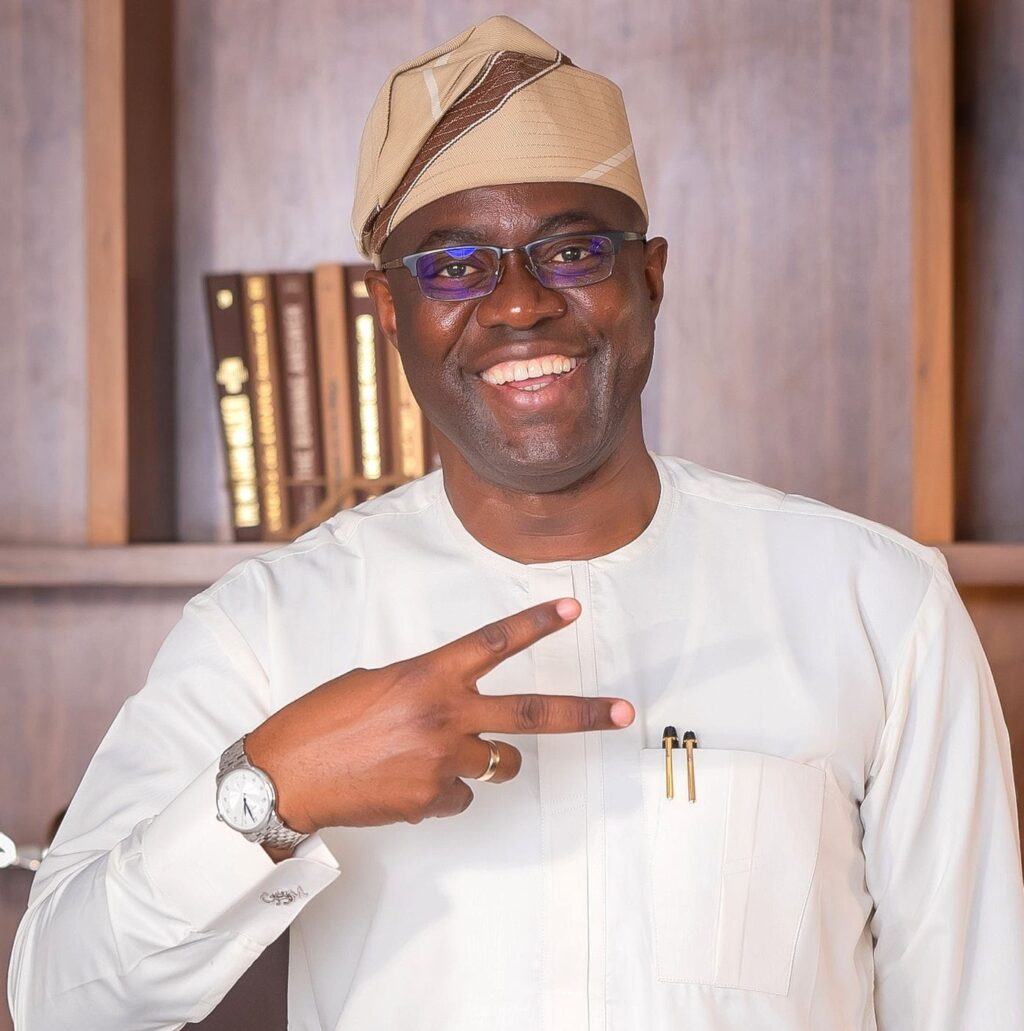
Gov Makinde
STEPHEN GBADAMOSI, IBADAN
The Oyo State government has said the state’s emergence as Nigeria’s best-performing state in democratic governance is a powerful affirmation of its growing reputation for stability, accountability, and citizen-centered leadership.
Special Adviser (Media) to the Governor of Oyo State, Dr. Sulaimon Olanrewaju, said in a statement on Friday that scoring 70 per cent in the 2025 Democracy Performance Index released by the Kimpact Development Initiative and published by StatiSense made Oyo stand alone at the top of the national ranking.
“The report shows that the state has excelled across electoral participation, institutional effectiveness, civil liberties, and political inclusion, areas where many other states continue to falter.
“In Oyo, citizens participate more actively in elections, institutions operate with greater substance, and civic freedoms are better protected, creating a democratic environment that is more stable, inclusive, and responsive than what is found in most parts of the country.
“This democratic strength is further complemented by another major recognition: Phillips Consulting’s 2025 Liveability Index ranked Oyo State as the most liveable state in Nigeria.
“This assessment highlights the state’s growing appeal in terms of infrastructure quality, security, economic opportunity, environmental cleanliness, healthcare and education access, and overall urban planning.
“Oyo’s urban environment is less congested and more affordable than Lagos or Abuja, yet it continues to improve its public services and expand its economic prospects. The liveability ranking reinforces the idea that good governance is translating into tangible improvements in everyday life, making Oyo not just a politically stable state but also a socially and economically attractive one.
“Governor Seyi Makinde, responding to the latest recognition, noted that the rating reflects ‘the deliberate choices we have made to put people at the centre of governance.’
“He emphasised that democratic stability and improved quality of life are not accidental outcomes, but the result of sustained investment in institutions, transparency, and human development. In his words, “When you build systems that work and create an environment where citizens feel safe, respected, and included, progress becomes inevitable,” he said.
Olanrewaju said his remarks captured the philosophy that has guided Oyo’s governance approach, “one that prioritises both democratic substance and social well-being,” adding that Oyo’s democratic performance was rooted in several key strengths.
“The state stands out for having a more engaged electorate: Citizens turn out to vote at higher rates, collect their Permanent Voter Cards more consistently, and participate more actively in party politics and electoral processes.
“Elections tend to be less chaotic, and civic engagement is stronger than in many other parts of the country. This level of participation signals higher public trust in democratic processes and a political culture that encourages citizens to take ownership of their governance.
“Beyond electoral participation, Oyo’s democratic institutions appear to function with more substance. Legislative oversight is more robust, fiscal accountability is clearer, and the separation of powers between the executive and legislature is more functional.
“In many states, institutions exist only in name; in Oyo, they show signs of genuine effectiveness. The state also distinguishes itself in the protection of civil liberties. Media freedom is stronger, public assembly faces no restriction, and civil society groups operate in a more enabling environment.
“At a time when civic space is shrinking in many parts of Nigeria, Oyo’s relative openness stands out as a major differentiator. Political inclusion remains Nigeria’s weakest democratic dimension; yet, Oyo performs better than most states. Women’s representation is closer to national benchmarks, youth participation is stronger, and persons with disabilities receive more policy attention,” he said.