FCT POLLS: Exercise peaceful but riddled with vote-buying, apathy, logistical lapses -CSOs
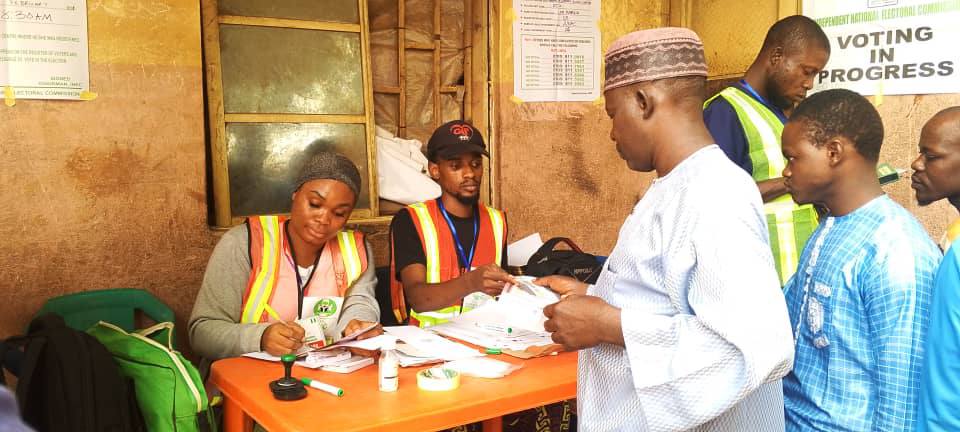
FCT Polls
*BVAS glitches reported as votes sell for N15,000
BY TOSIN ADAMS & ORIAKU IJELE
Serving as a peep into what the 2027 General Elections will portend under Prof Joash Amupitan, the new Chairman of the Independent Electoral Commission, INEC, feelers from the council elections which held in the FCT yesterday say a lot needs to be done in terms of sensitisation, transparency, and logistics.
Some CSOs which monitored the elections adjudged it peaceful but riddled with vote buying, voter apathy, logistical lapses, with votes trading for as high as N15000 in some locations.
At a press briefing by Yiaga Africa, its Executive Director, Samson Itodo, said its Watching the Vote (WTV) preliminary assessment, which was based on real-time reports from observers noted that the elections were largely peaceful, allowing voters who turned out to cast their ballots without widespread disruption.
However, turnout was generally low in most polling units visited.
The group identified logistical challenges that affected the timely opening of polling units, particularly in the Abuja Municipal Area Council (AMAC).
“In areas such as Wuse and Gwarinpa, several polling units reportedly opened well behind schedule, with officials still arranging materials as of 9:00 a.m. Accreditation and voting in many locations began around 10:00 a.m., contrary to electoral guidelines.
“Observers also reported gaps in the deployment of some materials. While key items such as the BVAS machines and voter registers were eventually available in most polling units.
“Instances of delayed provision of voter registers and absence of essential materials like voting cubicles were recorded in a few locations.”
The group also raised concerns over the redistribution of voters to newly created polling units without adequate prior notification.
“Although INEC reportedly sent SMS notifications, many voters received the messages on election day, leading to confusion, prolonged searches for polling units and congestion at some centres.
“Such administrative shortcomings could discourage participation and undermine confidence in electoral planning.
“In addition, observers noted that some polling units closed before the official 2:30 p.m. deadline despite guidelines requiring units to remain open until the last voter in the queue had voted.”
The group urged INEC to consider extending voting time in affected areas to prevent disenfranchisement and called for strict adherence to transparency measures.
It added that this should include posting of polling unit results and electronic transmission of result sheets to the INEC Result Viewing portal and collation centres.
The organisation also advised the commission to intensify voter education on polling unit changes through timely public communication and collaboration with stakeholders to minimise confusion in future elections.
Security agencies were urged to maintain professionalism and neutrality, particularly during the collation process, while political parties and supporters were called upon to avoid actions capable of disrupting the electoral process.
“Our observers would continue monitoring ward and Area Council collation centres and the INEC results portal to assess the integrity of the results management process.
“We urge voters, political actors, electoral officials and security agencies to contribute to a peaceful and credible conclusion of the elections”, they said.
Meanwhile glitches as a word is still around as some electorate in Abaji Area Council elections have expressed disappointment after the Bimodal Voter Accreditation System (BVAS) failed to validate them to exercise their franchise in Saturday’s area council elections.
The incident occurred on the BVAS with delimitation number: 37-01-05-011 deployed to Naharati Sabo Primary School in Abaji which hosted five polling units.
The electorate, said that they had been using the same permanent voter card in past elections and had never been rejected by BVAS.
Mr. Usman Nuhu, a 51-year-old voter, said that he was the fourth person to arrive at the polling but was unable to vote.
“I want to vote but the machine is rejecting me. I left and came back on three occasions and it still rejected me,” he said.
Haruna Bala, a 26-year-old, who was rejected by BVAS, said “I am angry the machine rejected me.
“Maybe it’s because I have now grown beards because when I registered, I didn’t have beards; anything they can do, let them do it so I can vote,” he said.
Also, Mrs. Adamu Amina said that she had been using her voter card in previous elections without any challenge.
She argued that her details and picture were clear enough for the machine to recognise her but it failed to do so.
Another voter, Mr Mohammed Usman, said he had been using his card in previous elections, querying why he was not recognised now.
Upon inquiry, the Assistant Presiding Officer, Mr Muhammed Awal, said that many factors could be responsible for the rejection.
Awal said that some of the intending voters registered when they were much younger, adding that looking older now could lead to rejection.
He, however, said that all the affected voters had been captured and that a proper report and complaint would be lodged for an update or a new card entirely.