How Nigeria’s soaring external debt will affect ordinary citizens
Economic Activities
BY ORIAKU IJELE
Nigeria’s public debt has crossed a historic and sobering threshold. As of early 2026, the nation’s total public debt stock has climbed to approximately N153.3 trillion, with external obligations making up nearly half of that figure. While these numbers are often discussed in the hushed halls of the Debt Management Office (DMO) or the Senate, their impact is felt most acutely on the streets, in the markets, and within the households of over 200 million Nigerians.
The most direct consequence of a N150 trillion debt profile is the “crowding out” of social investment. In the 2026 budget cycle, Nigeria has earmarked over N15.5 trillion for debt servicing alone. This means that for every naira the government earns, a massive portion is diverted to paying interest and principal to international and domestic lenders before a single kobo is spent on the citizen.
For the average Nigerian, this translates to:
Decaying Infrastructure: Funds that should have gone toward fixing the “death traps” that are national highways or expanding the national grid are instead shipped abroad to creditors.
Stagnant Education and Health: When debt servicing consumes 30% or more of the total budget, hospitals remain under-equipped and schools continue to crumble. The “brain drain” (Japa syndrome) among doctors and teachers is accelerated as the state lacks the fiscal space to improve wages or working conditions.
Inflation and the Shrinking Pocketbook
The debt crisis is inextricably linked to the value of the Naira. Much of Nigeria’s external debt is dollar-denominated. As the Naira fluctuates, the cost of servicing these foreign loans balloons in local currency terms. To meet these obligations, the government often resorts to policies that inadvertently fuel inflation.
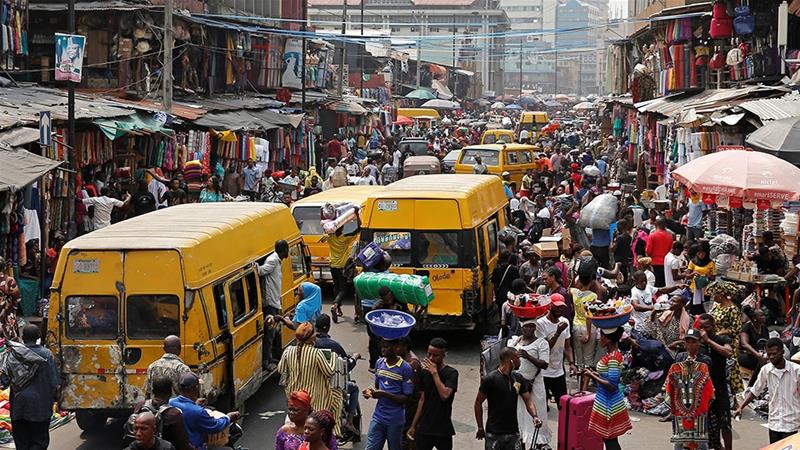
For the citizen, this manifests as a relentless rise in the cost of living. Food inflation remains a primary concern; as the government struggles with a high debt-to-revenue ratio, it has less capacity to subsidize agricultural inputs or stabilize fuel prices. The result is a shrinking middle class and a growing population of “working poor” who can no longer afford basic nutrition despite having full-time jobs.
Perhaps the most “invisible” effect is the psychological and generational weight of this debt. A N150 trillion debt means that every Nigerian child born today inherits a massive liability before they even take their first breath.
Limited Employment Opportunities: High government debt often leads to higher taxes on businesses as the state tries to bridge its deficit. This stifles the private sector’s ability to create jobs, leaving millions of graduates in a state of perpetual unemployment or underemployment.
Social Unrest: As the gap between government promises and the reality of “shrinking services” widens, the social contract is strained. Citizens feel they are paying for the “expensive political structure” of the past without seeing the “productive investment” promised for the future.
While the government is currently shifting focus toward private capital and domestic revenue mobilization, the transition is painful. The current reality is a precarious balance: the state must honor its international commitments to remain creditworthy, but doing so at the total expense of human development risks long-term social instability.