Taraba: 300 Tivs killed, 50,000 displaced to banditry in 5 months – Prof. Agere
OKERAFOR ATHANATIUS, JALINGO
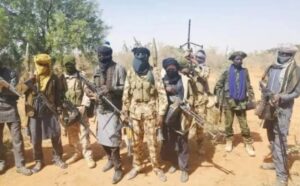
No fever than 300 Tivs have been killed with about 50,000 displaced owing to suspected herdsmen attacks within a space of five months in Taraba State, Northeast Nigeria.
Prof. Hemen Agere, President of Mzough U Tiv, Taraba State chapter, made this known through a press statement he signed and issued to journalists in Jalingo, the Taraba State capital.
Agere said the Tiv people of Southern Taraba have faced several attacks since Septem Prof Hemen Agereber 2025, which resulted in the deaths and displacements.
He expressed worry that owing to the attacks by suspected herders, no government has shown concern, saying, the victims of the attack were yet to be given recognition by Governments at all levels.
Describing the situation as ethnic cleansing, Prof Agere emphasized that the attackers have unleashed terror, causing devastating harm on innocent Tiv farmers and destroying their livelihood, with a substantial number losing their lives. “It’s pertinent to note that the recently displaced Tiv in Takum and Donga LGAs had left their farms unharvested”,
“It may interest you to know that whenever any of them attempts accessing their farms/settlements, they are either killed or subjected to other debasing inhuman treatments. Not less than 100 villages have been destroyed beyond recognition, twelve Churches of NKST and the Roman Catholic have been destroyed and vandalized”, he said.
Prof Agere who, appealed to the State Governor, Dr Agbu Kefas to visit the affected areas, commiserate with the citizenry, alleviate their suffering added that the victims of the attack need government intervention to ginger their hope.
“There is need for good spirited organisations and individuals to visit the affected localities and sympathize with the victims and also support them physically and emotionally.
“We call on the National Emergency Management Agency, (NEMA), to intervene as quickly as possible before it is too late. Otherwise, the risk of malnutrition is very high”, he added.