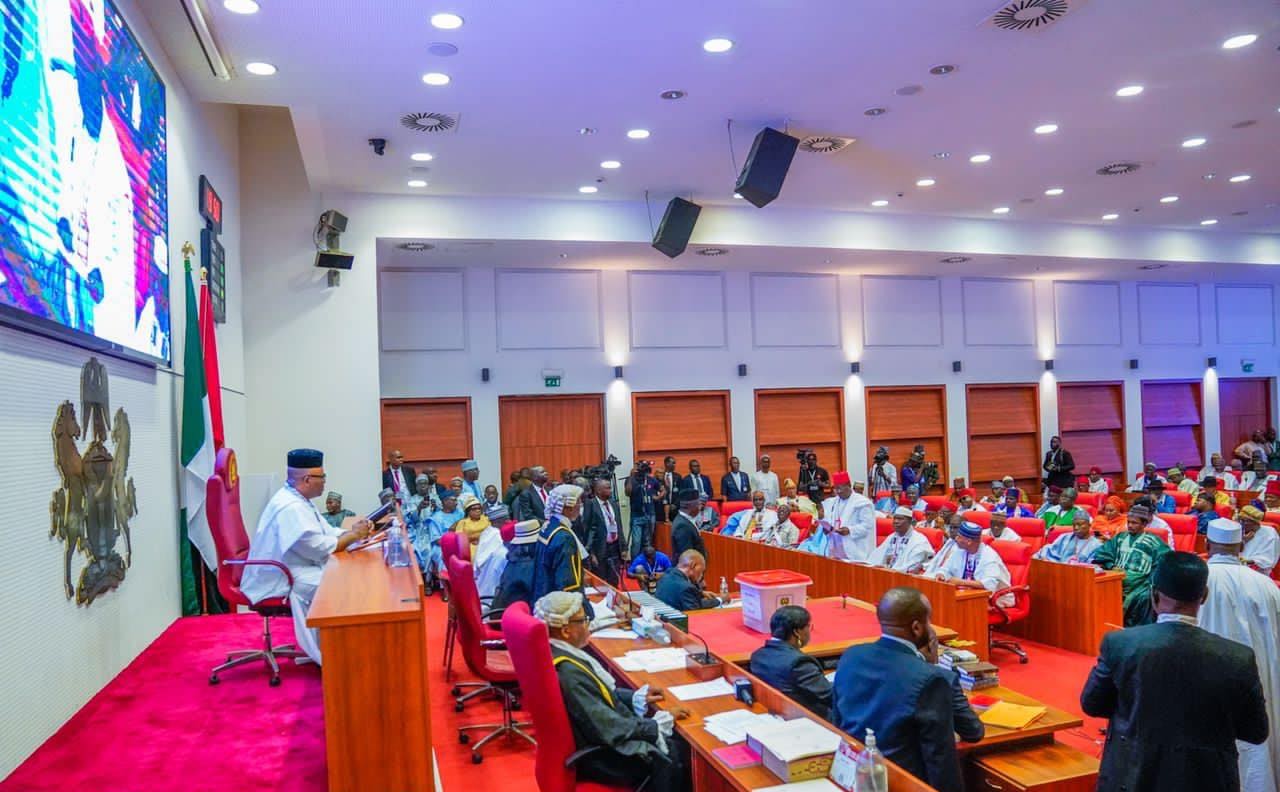
2027 GENERAL ELECTIONS: Emerging landmines strewn on Nigeria’s democratic path
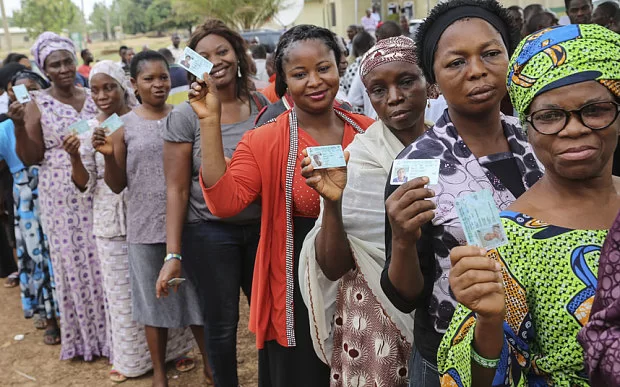
Voters in Nigeria
*As pay-to-play policy of parties generates billions from nomination forms
*Nigeria’s nomination process ranked second in terms of cost, behind Benin in Africa
BY ORIAKU IJELE & TOSIN ADAMS
As the 2027 general elections approach, the political landscape is fraught with structural and systemic challenges that could potentially derail the democratic process.
The Daily Monitor on Sunday notes that while elections are meant to be a celebration of civic duty and a mechanism for peaceful transitions of power, several landmines currently threaten to undermine the credibility, safety, and effectiveness of the upcoming polls.
One of the most significant hurdles is the dwindling public confidence in electoral bodies and the judiciary. The perceived lack of independence in the management of previous elections has created a skeptical electorate. If the Independent National Electoral Commission (INEC) does not demonstrate absolute transparency in its logistical operations and the deployment of the Bimodal Voter Accreditation System (BVAS), voter apathy may reach record highs. When citizens feel their votes will not count, the legitimacy of the entire democratic framework is called into question.
Security remains a volatile factor. Widespread banditry, insurgency, and secessionist agitations in various geopolitical zones create “no-go areas” where election officials and materials cannot safely reach. Beyond physical safety, the atmosphere of fear allows for voter suppression, as citizens may choose to stay home rather than risk violence at the polls. Furthermore, the deployment of security forces often becomes a point of contention, with allegations of partisanship frequently marring the neutrality required for a fair contest.
In addition, the 2027 election will likely be the most digitally contested in history. The rise of sophisticated deepfakes and AI-driven disinformation campaigns poses a lethal threat to the truth. In an environment already polarized by ethnic and religious sentiments, “fake news” can act as a catalyst for civil unrest. If political actors use digital tools to incite violence or spread falsehoods about opponents and the electoral process itself, the resulting chaos could make a peaceful transition nearly impossible.
The prevailing economic climate acts as a silent landmine. High inflation and poverty levels make a significant portion of the population vulnerable to “stomach infrastructure”—the practice of selling votes for immediate financial or material gain. When elections are decided by the depth of a candidate’s pockets rather than the strength of their manifesto, the democratic process shifts from a competition of ideas to a marketplace of influence. This commodification of the ballot ensures that the most competent leaders are often sidelined by those with the most capital.
The increasing trend of elections being “won and lost” in the courtroom rather than at the polling unit is a growing concern. While the judiciary is the final arbiter of law, a situation where the will of the people is frequently overturned by technicalities or perceived judicial bias creates a sense of futility. If the 2027 polls result in a mountain of litigations that drag on for years, it undermines the governance process, as elected officials spend more time defending their mandates than delivering on their promises.
Of course, navigating these landmines requires a multi-pronged approach involving legislative reform, technological integrity, and a renewed commitment to political ethics. To ensure the 2027 elections are not undermined, there must be a concerted effort to strengthen institutional independence, combat misinformation, and address the security loopholes that threaten the sanctity of the ballot. Only by defusing these issues now can the nation hope for a transparent and peaceful democratic exercise.
Meanwhile, across Africa, the cost of nomination forms—which are the fees paid to either the state (as a deposit) or a political party (to run in primaries)—has become a significant barrier to entry. As of 2026, the following countries stand out for having some of the most expensive nomination fees on the continent, which places Nigeria on number 2!
- Benin
Benin currently holds one of the highest price tags for presidential aspirations in the world.
Presidential Fee: Approximately £328,000 ($400,000+ USD).
Critics describe this fee as a “mechanism of exclusion” designed to lock out the opposition and ensure only the wealthiest elite can participate.
- Nigeria
Nigeria is unique because while the state (INEC) does not charge for forms, the major political parties charge massive “Expression of Interest” and “Nomination” fees for their internal primaries.
Presidential Fee: The ruling APC set its 2027 form price at ₦100 million. The ADC charged ₦90 million.
Other Positions: Governorship forms in the APC were priced at ₦50 million, while Senate seats cost ₦20 million.
- Djibouti
Recent electoral cycles have seen Djibouti implement high fees to regulate (or restrict) the candidate pool.
Presidential Fee: Set at approximately £20,000 ($25,000 USD).
Refund Policy: This deposit is only refundable if the candidate secures at least 10% of the total votes, which is difficult in a system where incumbents often win by massive margins.
- Zimbabwe
Zimbabwe saw a massive spike in fees during its last general elections, sparking widespread protests from smaller parties and women’s rights groups.
Presidential Fee: Increased by 1,900% to $20,000 USD.
Parliamentary Fee: Increased to $1,000 USD per candidate.
- Guinea
In past cycles, Guinea has been noted for extremely high entry costs relative to its economy.
Presidential Fee: Historically reached upwards of $55,000 USD (converted from GNF), making it one of the costliest in West Africa.