Rising transport cost deepens Nigeria’s cost-of-living crisis, IMF warns
Economic Activities
Nigeria has no immediate need for IMF’s support, says Edun
The International Monetary Fund (IMF) has cautioned Nigeria’s cost-of-living pressures, intensifying as surging transport expenses drive food inflation, while limited fiscal capacity restricts government intervention.
The Director of the African Department IMF, Abebe Selassie, gave the warning during the African Department media briefing on the Sub-Saharan Africa’s regional economic outlook at the IMF/World Bank Spring Meetings 2026 in Washington on Thursday.
He said the global and regional shocks were compounding vulnerabilities across African economies, with Nigeria particularly affected through escalating logistics and transportation costs impacting supply chains.
Selassie noted that persistent inflationary trends in Nigeria were being driven largely by food prices, which formed a major component of the consumer basket and respond quickly to transport cost increases.
He said that the recent fuel price hikes, was linked to rising global oil prices, it had pushed pump prices sharply higher, transmitting cost pressures across distribution networks and worsening price instability in essential commodities.
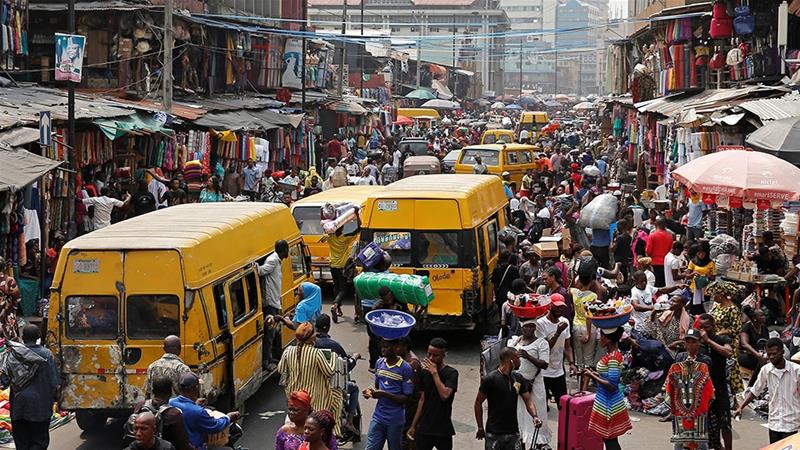
According to him, transport costs are rising rapidly across both urban and rural areas, placing additional strain on households and amplifying hardship through higher food and living expenses nationwide.
Selassie said that beyond inflation, the shocks were disrupting food systems, as rising logistics costs, expensive inputs like fertiliser, and supply bottlenecks combined to elevate production and distribution expenses.
He said that in spite of these challenges, he acknowledged that ongoing fiscal and debt reforms were beginning to strengthen Nigeria’s resilience and provide limited room to absorb external shocks.
Selassie said that recent efforts to stabilise public finances are creating buffers that helped cushion the social and economic impact of emerging global disruptions on vulnerable populations.
He, however, warned that policy responses must remain measured, ensuring that short-term relief measures do not derail medium-term fiscal sustainability and broader economic reform objectives.
Selassie said that on debt strategy, the key priority was to maintain sustainable debt levels relative to repayment capacity, rather than choosing between domestic or external borrowing options.
He added that effective debt management, including balanced maturities and prudent borrowing decisions, remained critical in safeguarding macroeconomic stability and investor confidence.
The assistant director at the IMF’s African Department, Amadou Sy, said that progress under the African Continental Free Trade Area (AFCFTA) had been uneven despite its strong long-term potential.
Sy also identified unresolved issues such as rules of origin and tariff negotiations as constraints, limiting trade’s ability to support diversification and serve as a buffer against economic shocks.
He said that advancing trade reforms, improving customs systems, and expanding access to trade finance would be vital in unlocking the full benefits of continental economic integration.
Meanwhile, the Minister of Finance, Wale Edun, says Nigeria has no immediate plans to approach the International Monetary Fund (IMF) for financial assistance.
Edun made this known at the African Finance Ministers’ briefing, during the IMF/World Bank Annual Meetings, on Thursday in Washington.
He said that the reliance on ongoing domestic economic reforms was working.
The minister said that Nigeria’s reforms over two years had restored policy credibility and strengthened resilience against global economic shocks affecting many African economies.
He said that the country had prioritised market-based adjustments, avoiding administrative controls, particularly in foreign exchange and petroleum pricing mechanisms.
Edun reaffirmed that the country continued relying on internal policy measures, rather than seeking multilateral lending support at this time.
He, however, urged faster and coordinated financial assistance for African countries, amid discussions on a proposed $50 billion dollars global support package.
The minister said that Nigeria had built buffers through reforms, that several African nations remained highly exposed and required urgent external financial support.
He said that Nigeria’s reliance on market mechanisms had enabled smoother economic adjustments, reducing disruptions and sustaining the country’s macroeconomic trajectory, amid global uncertainties.