Emerging climate of political repression ahead of 2027
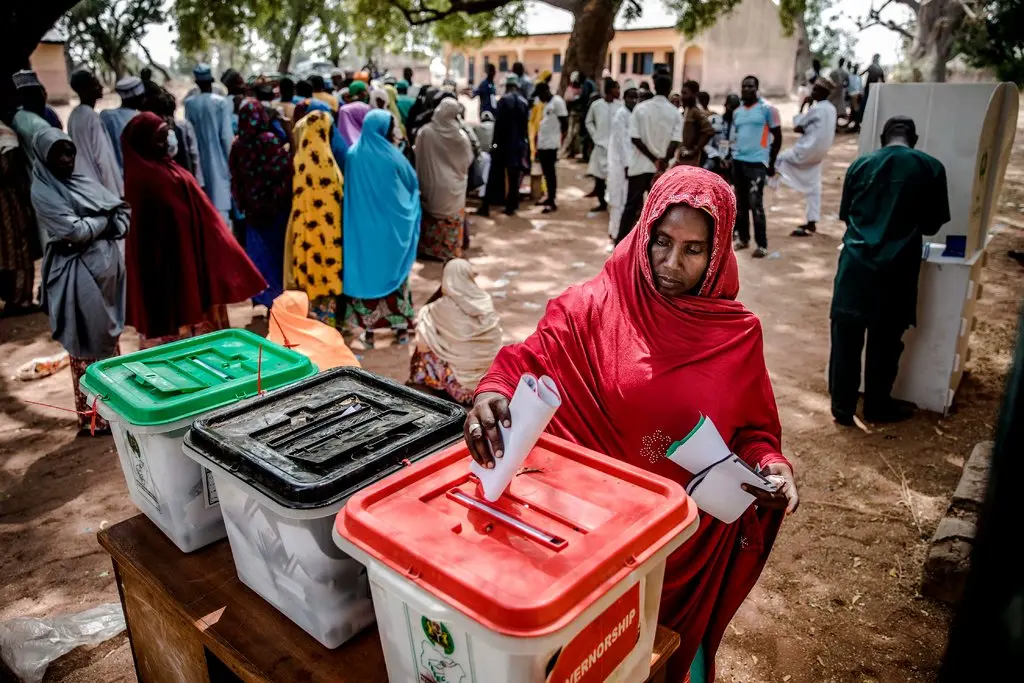
Voters
…as signs of thuggery, intimidation dot polity
BY ORIAKU IJELE
As the 2027 general elections draw closer, there appears a growing trend of repression in the political space, targeted at opposition parties at both federal and state levels.
The Daily Monitor on Sunday, notes that this troubling pattern quietly migrated from federal corridors into state capitals and that beneath the facade of constitutional democracy, state governors and local power brokers are increasingly utilising coercive tactics to silence dissenting voices, gag journalists, and intimidate members of opposition political parties.
What was once viewed as isolated high-handedness has hardened into a systematic assault on civic space at the grassroots level.
Many instances abound but only recently, Amnesty International raised the alarm about the All Progressives Congress, APC state chairman in Edo State, Jarret Tenebe, who threatened to ensure President Tinubu harvests over two million votes in Edo by warning that he would deploy ‘AK 47 fire’ to achieve this.
According to Amnesty International, “Nigeria’s security agencies are failing in their responsibilities, @PoliceNG @OfficialDSSNG as some politicians continue to publicly threaten violence ahead of 2027 elections, in utter disregard for the rule of law and the nation’s Electoral Act.
“The Edo State Chairman of the All Progressives Congress (APC), Jarret Tenebe, was quoted threatening “to invoke the “power of AK-47” against anyone plotting to thwart the party’s plan to deliver 2.5 million votes for President Bola Ahmed Tinubu in the 2027 presidential election.
“Tenebe made the threat during a campaign rally in Edo state where political violence is already rampant. Clearly, Jarret Tenebe is a danger to democracy and rule of law and must be held to account.
“Ahead of 2027 elections and beyond, it is essential that the Nigerian authorities ensure that any politician or other leaders, of any political party or grouping, responsible for carrying out or inciting or threatening politically, religiously or ethnically-motivated violence or human rights abuses must be held to account.”
But Tenebe is yet to be reprimanded by the security agencies.
Opposition groups, such as the African Democratic Congress (ADC), have documented repeated physical attacks on party meetings, destruction of campaign materials, and targeted violence against members. In several states, local authorities have used state machinery to restrict political access—threatening to seal hotels or commercial venues that host opposition gatherings, or warning transport unions against supporting non-ruling candidates.
A similar incident happened in Enugu State where a traditional ruler was reprimanded by the state government for playing host to Peter Obi of the NDC without decorum.
According to Ignatius Uche, an NDC apologist, thugs acting on the orders of the state government, had on Saturday October 10, disrupted a rally being organized by the NDC. “The NDC members challenged them back and they made a retreat. Nobody is backing down this time”, he says. “You make mounting of billboards impossible with various conditions that cannot be met by the opposition, so what kind of democracy is that?”
Another major concern ahead of the 2027 polls is the selective use of law enforcement agencies and anti-corruption bodies to target key opposition figures. Lawmakers, party leaders, and political activists belonging to opposition platforms have reported harassment, arbitrary arrests, and prolonged detentions. Under the pretext of national security and maintaining public order, security forces have frequently disrupted peaceful political rallies and coalition meetings.
Suppression extends into the digital sphere, where social media commentators, journalists, and vocal critics face heightened surveillance and online intimidation. State authorities have increasingly invoked cybercrime legislation to detain individuals who express political dissent or criticize public officials. Amnesty International and local human rights bodies have repeatedly condemned this pattern, warning that silencing journalists and online commentators cripples political discourse.
Beyond physical and legal pressure, covert tactics are being deployed to fragment major opposition parties. Sponsorship of internal crises, leadership tussles, and legal challenges within opposition structures has effectively paralyzed several major platforms, preventing them from forming a cohesive front.