Agbakoba raises fresh alarm over Nigeria’s fiscal crisis, says revenue leakages may hit ₦20trn annually
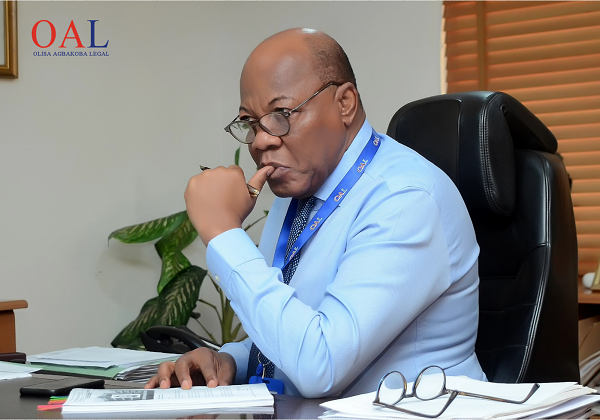
Dr Olisa Agbakoba
Faults NNPC operations, weak revenue enforcement and rising debt burden
Says subsidy removal reforms lacked accountability safeguards, warns 2027 must focus on fiscal rescue
Abiodun Taiwo, Abeokuta
Former President of the Nigerian Bar Association and Senior Advocate of Nigeria, Olisa Agbakoba, has raised serious concerns over what he described as massive structural leakages in Nigeria’s public finance system, warning that the country could be losing as much as ₦20 trillion annually through weak fiscal governance, oil sector manipulations, and institutional inefficiencies.
Speaking during an interview on Frontline, a current affairs programme on Eagle 102.5 FM, Agbakoba said Nigeria’s continued dependence on borrowing despite its vast revenue potential reflects deep-rooted failures in public finance management.
According to him, the constitutional framework guiding Nigeria’s revenue structure has been consistently undermined by agencies operating parallel financial arrangements outside the Federation Account.
Citing Section 162 of the Nigerian Constitution, Agbakoba explained that all revenues generated by the federation are expected to be paid into a central Federation Account without deductions.
He, however, argued that the provision has not been effectively implemented, creating loopholes for revenue leakages across major government institutions.
“The Federation of Nigeria has a constitutional account into which all revenues are supposed to be paid without deductions, but the reality is different,” he said.
Agbakoba specifically accused the Nigerian National Petroleum Company Limited of playing a central role in the revenue crisis through multiple deduction practices and opaque financing arrangements that significantly reduce inflows into the Federation Account.
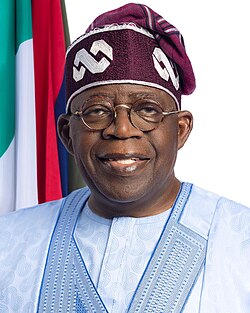
He linked the situation to President Bola Ahmed Tinubu’s decision to dissolve the former NNPC board led by Mele Kyari, saying the action reflected official recognition of deep systemic problems within the oil sector.
According to him, ongoing anti-corruption investigations involving officials of the oil company further validate concerns about financial leakages and poor accountability.
Agbakoba questioned why Nigeria continues to accumulate debt despite possessing substantial revenue-generating capacity if resources were properly managed.
He likened the situation to a household borrowing money despite having enough funds in its bank account to meet its obligations.
Nigeria’s total public debt, he warned, has risen to alarming levels while debt servicing now consumes a significant portion of government earnings.
“If we earn 100 Naira, we first have to remove about 70 Naira to service debt obligations,” he said, warning that the development leaves very little for infrastructure, salaries, education, healthcare, and other governance responsibilities.
The senior lawyer also criticised unconventional crude oil financing arrangements allegedly tied to future production commitments.
He referenced initiatives such as Project Gazelle, Project Yield, Project Leopard, and Eagle Export Funding, which he claimed involved selling future crude oil output in exchange for immediate cash.
According to him, such arrangements mortgage Nigeria’s future earnings and weaken long-term fiscal stability.
Agbakoba further expressed concern over repeated spending on refinery rehabilitation projects in Port Harcourt, Warri, and Kaduna despite limited operational output from the facilities.
He described it as economically irrational for Nigeria to continue exporting crude oil while importing refined petroleum products.
“The refineries are still not functioning effectively despite huge investments. Without the Dangote Refinery, Nigeria would still be trapped in the endless cycle of fuel importation,” he said.
He maintained that the country’s revenue crisis extends beyond oil earnings, noting that petroleum profit tax, royalties, signature bonuses, gas penalties, company income tax, stamp duties, and solid mineral revenues are all affected by systemic leakages.
According to him, Nigeria may currently be operating at almost 60 per cent below its actual revenue potential due to structural inefficiencies.
Agbakoba also cited concerns raised by the World Bank over Nigeria’s revenue leakages, noting that international assessments similarly indicate significant losses in public finance administration.
He warned that the continued shortfall in revenue collection has forced governments at all levels into unsustainable borrowing patterns.
On recent economic reforms introduced by the Tinubu administration, Agbakoba said the removal of fuel subsidy and exchange rate liberalisation were necessary decisions but criticised the absence of adequate mitigation measures.
According to him, proceeds from subsidy removal should have been channelled into a dedicated infrastructure development fund rather than being distributed to state governments without strict accountability mechanisms.
He questioned the developmental impact of increased monthly allocations to state governments, arguing that many states now receive significantly higher revenues without corresponding improvements in public welfare or infrastructure.
The senior advocate also lamented what he described as the growing obsession among political actors with the 2027 elections at the expense of governance and institutional reforms.
“Virtually all office holders are more interested in 2027 than governance,” he said.
Agbakoba insisted that revenue leakages and fiscal accountability should become central campaign issues ahead of the next general elections.
According to him, Nigerians should demand clear policy directions from political leaders on how they intend to block leakages, improve revenue collection, and reduce dependence on borrowing.
He stressed that without urgent reforms in revenue oversight, expenditure management, and institutional accountability, Nigeria would remain trapped in a cycle of debt, inefficiency, and underdevelopment despite its enormous economic potential.
He concluded that the country possesses sufficient resources to meet its constitutional obligations to citizens but lacks the fiscal discipline and governance structure required to translate those resources into meaningful development.