MENACE OF FAKE PRODUCTS: Fresh threat on healthcare system as counterfeiters target daily consumables
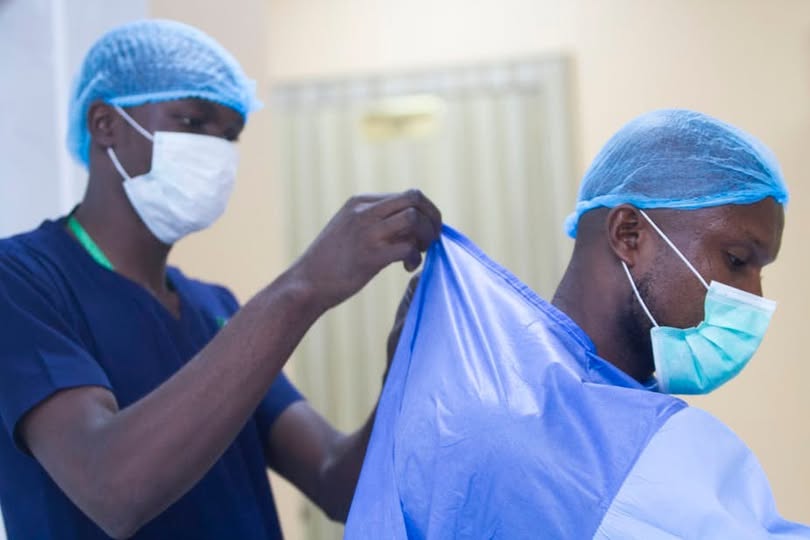
Doctors
BY ORIAKU IJELE & TOSIN ADAMS
The proliferation of counterfeit products in Nigeria has escalated from an economic nuisance into a full-blown national public health crisis. Today, fake consumables, ranging from falsified pharmaceuticals and contaminated infant formulas to adulterated food staples, have silently invaded Nigerian homes.
This widespread circulation severely sabotages public health, drains scarce medical resources, and erodes trust in the nation’s healthcare system.
The Daily Monitor on Sunday notes that counterfeiters target items consumed daily like antimalarial medications, antibiotics, toothpaste, paediatric syrups, cooking oils, and packaged beverages. In open markets and informal supply chains, unscrupulous syndicates repackage sub-standard chemicals or plain chalk as life-saving drugs. Staple food items also face hazardous tampering—such as palm oil dyed with toxic azo compounds, or traditional flours mixed with industrial bleach to enhance appearance.
“It is a sad development”, notes Esther Iwuchukwu, a house wife in Lagos, “the bad thing about the trend is the risk it poses to life. These days, you cannot just wake up and buy anti-malarial drugs and expect it to be active unless you perform due checks to ascertain originality. Otherwise, the best bet is to go for intravenous injections to be very certain. Recently, I bought a popular brand of toothpaste. It was when I opened it that it dawned on me that it was fake.”
A health personnel, Qudus Bello believes the medical implication is grave. “The burden this places on the health sector is devastating. Falsified medications contain either wrong dosages, active ingredient substitutes, or toxic contaminants. When a patient suffering from severe malaria or bacterial infection receives a fake drug, the result is treatment failure, organ toxicity, or sudden death.
“Sub-therapeutic doses of antibiotics in counterfeit drugs further accelerate antimicrobial resistance (AMR), giving rise to superbugs that existing frontline drugs can no longer treat. Meanwhile, chemical adulterants in food staples cause chronic liver failure, kidney pathologies, and gastrointestinal diseases that overwhelm tertiary hospitals already struggling with resource constraints.”
Most people believe the trend can be controlled by stricter regulations, which should be spearheaded by bodies like the National Agency for Food and Drug Administration and Control (NAFDAC).
While NAFDAC has seized and destroyed over ₦1.5 trillion worth of substandard products in recent years—ranging from fake antibiotics and codeine syrups to illicit sachet alcohol and adulterated baby milk, the agency has also accelerated technology-driven enforcement through national digital supply chain tracking (GS1 2D DataMatrix codes) and mobile authentication tools like the Scan2Verify app to help citizens identify authentic medicines at the point of sale; but these enforcement raids and tech rollouts, enforcement alone cannot stem the tide while structural vulnerabilities remain. Tackling this menace permanently requires aggressive, multi-institutional reform.
According to Gabriel Nwoke, whatever NAFDAC is doing must be complemented by the men at the borders and ports.
“How strict are the men at the borders. If NAFDAC keeps seizing and the corrupt officials at the borders and ports keep allowing the fake drugs in, what will they do? The supply must be cut, which starts from the borders and ports.
“The Nigeria Customs Service, alongside maritime security agencies, must fortify porous land borders and ports of entry with modern non-intrusive scanning technologies to stop fake ingredients and packaged contraband before they enter local supply chains. State and local governments must move beyond monitoring formal pharmacies to regulate open-market wholesale hubs (such as Idumota, Onitsha, and Aba), mandating digital traceability codes across all local food and drug distributors.”