STATE OF THE NATION: Soaring rents squeeze Nigerians amid inflation
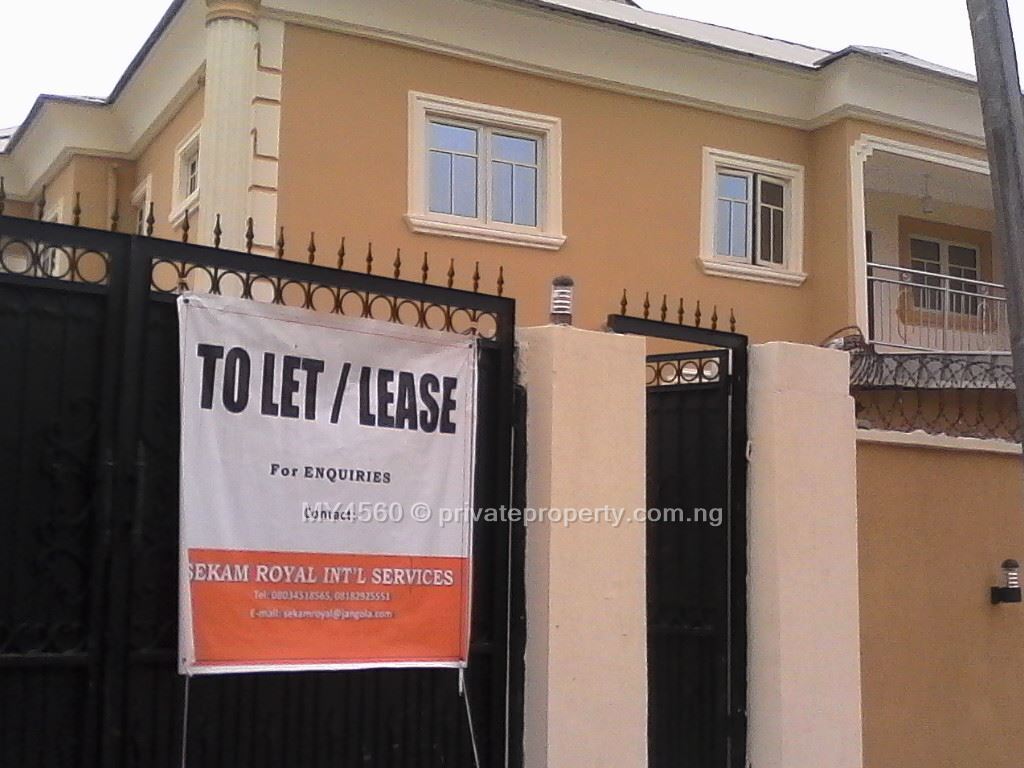
To let sign
*Rents jump 120% in major cities, consume over 60% of household incomes
*Middle men, poor regulation worsen situation
BY TOSIN ADAMS
Nigeria’s eroding middle class are having the worst of times it seems as the country is grappling with an unrelenting housing crisis. For decades, discussions around shelter have centred on a widening housing deficit—now estimated at over 20 million units—and rapid urban migration. Today, however, the crisis has taken on an aggressive economic dimension: hyper-inflation, currency devaluation, and rising construction costs have pushed rental prices beyond the reach of the country’s middle-income earners.
The Daily Monitor on Sunday notes that once considered financially secure, formal sector professionals—teachers, mid-level civil servants, bankers, and healthcare workers—are finding themselves squeezed out of urban centres. Rents across residential segments in major cities have surged by 70% to 120% year-on-year, far outpacing salary adjustments and consuming up to 60% of average household earnings.
The reality of this affordability gap is starkest when examining rental values in Nigeria’s primary urban economic hubs
In Lagos where land scarcity and urbanisation are most acute, rental inflation has reached record levels. In middle-tier Mainland neighborhoods popular with corporate workers—such as Yaba, Surulere, and Gbagada—a standard two-bedroom apartment now demands between ₦2.5m and ₦4.5m annually. One-bedroom “mini-flats” in these same areas average ₦1.2m to ₦2.5m per year. For those eyeing prime locations like Lekki Phase 1, Victoria Island, or Ikoyi, annual rents for two to three-bedroom apartments routinely start at ₦8m to ₦30m, creating an impenetrable wall for middle-class families.
In the Federal Capital Territory (FCT), central districts like Maitama, Asokoro, and Wuse have long been the preserve of high-net-worth individuals and political elites, with three-bedroom flats commanding ₦8m to ₦22m annually. However, the crisis has spilled into middle-income satellite corridors. In areas like Gwarinpa, Lugbe, and Life Camp, annual rents for two-bedroom units have jumped to between ₦1.8m and ₦3.5m.
In the oil-producing hub of Port Harcourt, growing corridors such as Woji, Trans-Amadi, and ADA George have seen two-bedroom apartments rise to between ₦1.2m and ₦2.5m annually. Even historically moderate commercial cities in the north, such as Kano, have recorded 15% to 25% annual rental increases, with two-bedroom flats in Sabon Gari or Kano Municipal now fetching ₦800,000 to ₦1.5m.
The affordability crisis is severely exacerbated by Nigeria’s standard practice of demanding one to two years of rent upfront, alongside non-negotiable agency, legal, and caution fees that add an extra 25% to 40% to the initial outlay.
According to Titilayo Balogun, a business woman in Lagos, the activities of agents have been a snag. “For a middle-earner attempting to secure a modest ₦2.5m apartment in Lagos, the initial cash requirement can exceed ₦3.3m—a lump sum that most salaried workers cannot accumulate without taking on high-interest loans. People are really going through a lot”, she said.
Cost of building has been a stifling factor indeed. Our correspondent notes that real estate developers face soaring prices for cement, steel, and imported finishing materials. Because building affordable housing yields lower margins, private developers increasingly pivot toward luxury developments aimed at high-income buyers and investors.
What could ameliorate this? Samuel Okon, a civil servant in Abuja believes government should put in measures to protect everyone in the real estate value chain. “Without targeted policy intervention, such as enforcing monthly rent payment structures, offering single-digit mortgage financing, and developing infrastructure in suburban zones—Nigeria’s middle class will continue to be priced out of secure housing. Resolving this crisis requires treating shelter not merely as a speculative asset, but as essential social infrastructure vital to national economic stability.”