As a producer, I’m interested in stories with strong human emotions, commercial potential -David Nicholas
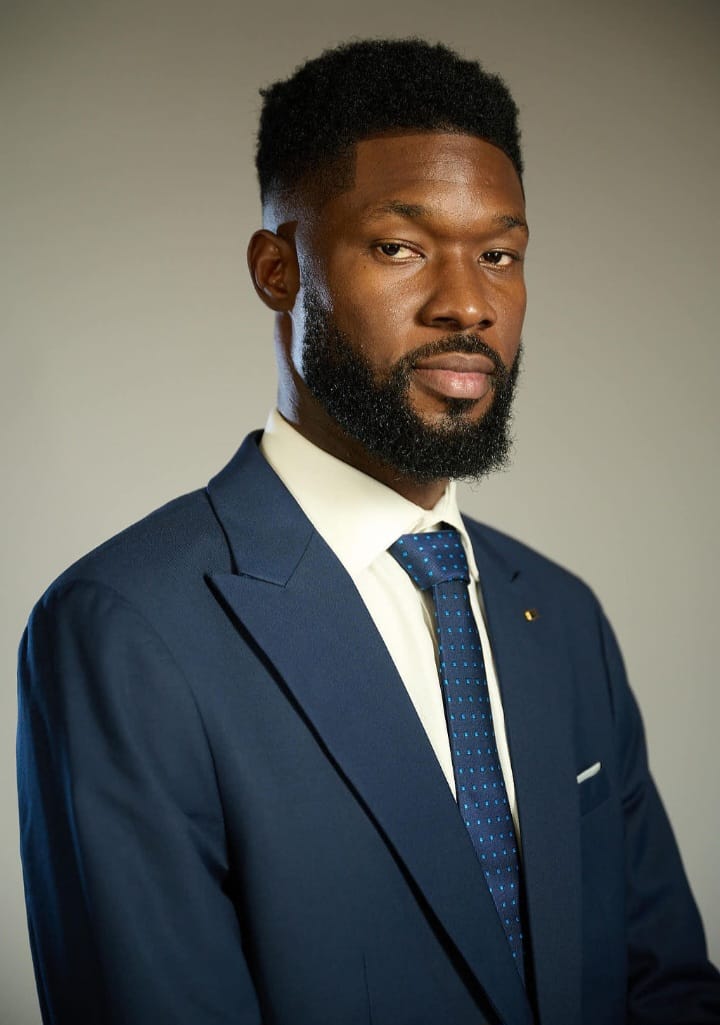
Film Producer Davis Nicholas Adora
David Adora Nicholas came to national consciousness when he produced The Creek, a film that captured the realities of the Niger Delta region of Nigeria. He shares perspectives about his journey in the film industry in this interview with ORIAKU IJELE.
What drew you to the story of CREEK, and what core message or perspective were you determined to bring to the screen as a young producer?
What drew me to The Creek was the story itself and the opportunity to tell something that felt both emotionally grounded and connected to our environment. As a young producer, I wanted to be part of a film that did more than entertain. I wanted the audience to see the people, the struggles, the relationships and the realities behind the story. For me, producing is about understanding why a story needs to be told and then creating the right environment for that story to reach the audience. The Creek gave me an opportunity to learn, to collaborate with experienced professionals and, most importantly, to take responsibility for a project from development through production. The perspective I wanted to bring was simple: Nigerian stories deserve to be told with honesty, emotional depth and professional execution.
Being young should not mean that you have less to contribute. It should mean that you bring a fresh perspective while still respecting the experience of those who came before you.
Every production comes with friction—what was the single biggest obstacle you faced while bringing CREEK to life, and how did you navigate it?
The biggest challenge was managing the realities of production while still protecting the creative vision of the film. Every production has limitations—budget, time, logistics, people and unexpected situations—and The Creek was no different. What helped me was learning not to react emotionally to problems. I had to become more responsive than reactive. As a producer, you have to constantly look at the bigger picture and ask, “What is the best solution for the production right now?” I relied heavily on communication, teamwork and preparation. I also learned to listen to the people around me. Producing is not about being the person who has all the answers; it is about bringing the right people together, making informed decisions and keeping everyone focused on the goal. That experience made me a better producer because I understood that sometimes leadership is simply staying calm when everything around you is moving.
As a rising voice in the film and showbiz landscape, how do you see youth culture shaping the future of storytelling and cinema?
I believe young people are already changing Nigerian cinema. We are seeing a generation that is more exposed to global cinema, digital platforms, social media and different forms of storytelling. That exposure is influencing the kind of stories young audiences want to see and the way those stories are being told. But I don’t think the future should be about young people simply copying what is happening elsewhere. Our biggest opportunity is to take that global exposure and use it to tell authentic Nigerian stories in new ways. Young filmmakers are also becoming more entrepreneurial. They are not waiting only for traditional gatekeepers to give them opportunities. They are creating platforms, producing independently, building communities and finding new ways to reach audiences. For me, the future of Nigerian cinema is going to be a combination of culture, technology and fresh storytelling. And I believe young filmmakers should be at the centre of that conversation.
Navigating the film industry as a young producer often means proving yourself in rooms full of veterans. How do you earn trust and leverage your unique perspective on set and in business meetings?
I believe trust is earned through competence, consistency and respect. When you are young and working with people who have been in the industry much longer than you, you cannot walk into the room believing that your age automatically gives you authority. You have to demonstrate that you understand your responsibility. I prepare. I listen. I ask questions when I need clarification, and when I make a decision, I take responsibility for it. At the same time, I don’t believe being young means I should suppress my perspective. My generation experiences the world differently, and that can bring something valuable to a production. The key is knowing how to present your ideas without disrespecting the experience of others. I have also learned that people trust you when they see that you care about the project as much as you care about your own role in it. That has been very important to me both on set and in business.
Distribution and funding are major hurdles for filmmakers. What strategies or tools did you rely on to get CREEK funded and positioned for an audience?
One of the biggest lessons I have learned is that funding and distribution should not be treated as something you think about only after making the film. You have to start thinking about the audience and the commercial life of the project from the beginning. With The Creek, collaboration was very important. Film is a capital-intensive business, so you have to build relationships with people who believe in the story and understand the value of the project. I also relied on proper planning—budgeting, production management, documentation and understanding where the film could potentially find an audience. The distribution conversation was particularly important because making a film is only one part of the job. The other part is getting that film in front of people. The Creek eventually being selected for Virgin Atlantic’s inflight entertainment was a significant reminder to me that Nigerian films can travel beyond our immediate market when they are properly positioned. It reinforced something I strongly believe: as producers, we have to think beyond production. We have to think about the entire life cycle of a film—from the idea, to financing, production, marketing, distribution and ultimately the audience.
Looking into the future, what is next for David Nicholas Adora—are there specific genres, collaborators, or immediate projects you’re looking to tackle?
I don’t want to limit myself to one genre. I am interested in stories that have strong human emotions, social relevance and commercial potential. Drama, thriller, romance, action and docudrama all interest me because what attracts me most is a compelling story. Beyond producing individual films, I am interested in building systems and platforms that create opportunities for other filmmakers. My experience teaching at PEFTI Film Institute, working within the festival space through AFRIK International Film Festival, and my involvement with WIMPRO have strengthened that interest. I want to continue producing films, but I also want to contribute to the development of the next generation of filmmakers. I believe the Nigerian film industry needs not only talented individuals but also stronger structures for training, collaboration, production and distribution. So, what is next for David Nicholas? More stories, bigger collaborations, stronger productions and, hopefully, creating opportunities for other people along the way. I am still building. I don’t think I have reached my destination yet—and that is what makes the journey exciting.