EDITORIAL: Igbokoda crash demands comprehensive probe
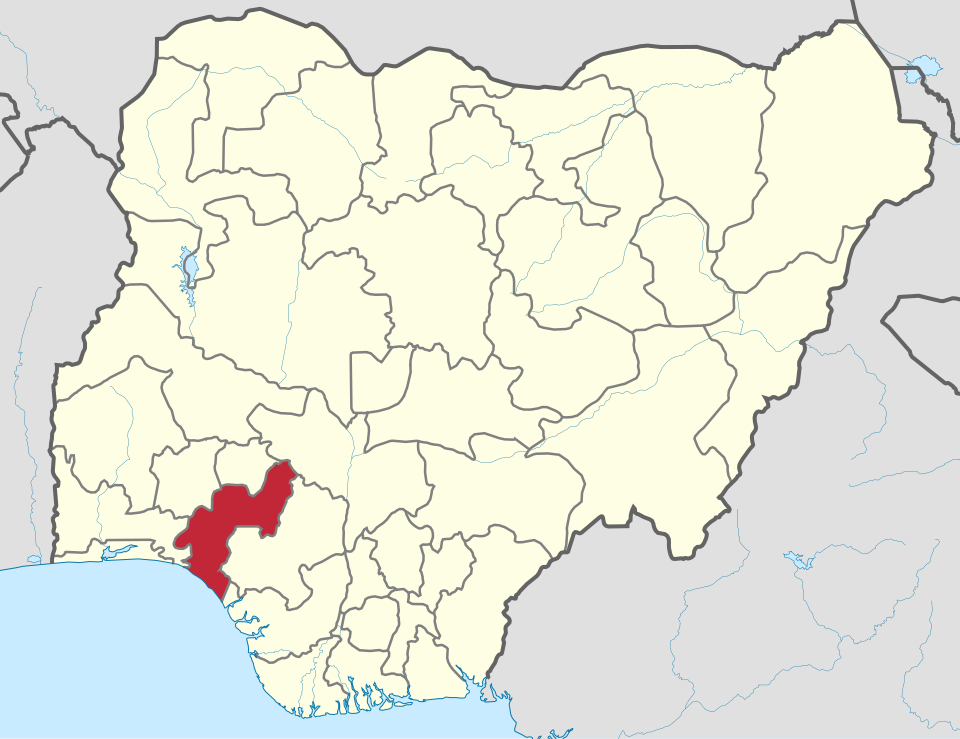
Ondo State
The recent tragic crash of a Nigerian Air Force aircraft in Igbokoda, Ondo State, has once again plunged the nation into mourning. Beyond the immediate shock and grief, this solemn event serves as a grim reminder of a recurring nightmare within Nigeria’s military aviation sector. While every loss of human life is deeply tragic, the death of highly trained military officers at their prime represents a profound national crisis—one that inflicts severe economic and tactical losses on a nation already grappling with complex security challenges. To prevent these recurring disasters from becoming normalised, the Federal Government must immediately institute an independent, thorough probe to uncover root causes and implement lasting solutions.
When an Air Force plane goes down, public attention naturally focuses on the destruction of multi-million-naira hardware. However, the true, irreparable cost lies in the human capital lost. Training a single military pilot or flight technician is an extraordinarily expensive and rigorous endeavour. It requires years of specialised instruction, thousands of flight-training hours, and immense financial investment—often executed across elite international military academies in hard foreign currency. By the time an officer reaches operational proficiency, the Nigerian state has invested millions of naira in their intellectual, physical, and tactical development.
When these officers perish in avoidable accidents during their professional prime, that entire investment evaporates in seconds. The nation does not merely lose a citizen; it loses years of accumulated technical expertise, leadership potential, and tactical intelligence that cannot be replaced overnight. Replacing a seasoned pilot requires another decade of training and millions more in state funds—an economic burden Nigeria can ill afford given its present fiscal realities.
Moreover, the human toll extends directly to operational readiness. Every uninvestigated or recurring crash erodes morale within the ranks of the Armed Forces. It compels our finest men and women in uniform to board aircraft with lingering doubts about maintenance standards, equipment age, or logistical integrity. In military strategy, a demoralised force is an impaired force. The economic loss, therefore, compounds into a national security deficit, weakening our aerial combat capabilities against internal and external threats.
Historically, military aviation mishaps in Nigeria are often met with official statements of condolence, promises of internal panels, and brief periods of national reflection, after which the public narrative shifts—until the next tragic headline appears. This cycle of opacity must end. Internal military reviews, while necessary for operational debriefs, often lack the external oversight and transparency required to enforce systemic structural reforms.
The Federal Government must institute an independent, multi-stakeholder judicial or technical probe into the Igbokoda crash and the broader operational health of the Nigerian Air Force fleet. This investigation must holistically examine critical areas: the procurement history and age of active airframes, the rigour and transparency of routine maintenance protocols, the quality of spare parts logistics, and the adequacy of modern flight-simulator training to handle emergency procedures.
To build a sustainable future for military aviation in Nigeria, the findings of such a probe must lead to actionable, institutional policy changes. If maintenance shortfalls stem from budgetary bottlenecks, fund allocation mechanisms must be restructured. If foreign procurement deals have compromised equipment quality, supply chain integrity must be strictly audited.
The airmen and airwomen who pledge their lives to defend Nigeria’s territorial integrity deserve state-of-the-art equipment and uncompromised safety standards. Sinking funds into training world-class officers only to lose them to preventable mechanical or logistical failures is a national tragedy and an economic drain. The Igbokoda crash must serve as the ultimate turning point. The government must act now—not just to honour those we have lost, but to safeguard the living and protect the nation’s future.